Opting for a restroom trailer is an environmentally-friendly choice for several reasons. First and foremost, these trailers are designed to use water efficiently, significantly reducing wastage compared to traditional bathroom setups. Many models incorporate sophisticated plumbing systems that maximize water conservation without compromising on functionality. Furthermore, enhanced waste management systems in these trailers ensure that biological waste is processed in an environmentally responsible manner, diminishing potential negative impacts on the environment.Another green advantage lies in the materials used. Many restroom trailers are constructed with sustainable, recyclable materials, minimizing their ecological footprint while ensuring robust and lasting performance. This sustainable approach extends to energy-efficient lighting and climate control systems that can be installed within the trailer, further cutting down on energy consumption. Such features are not just beneficial for the planet but also enhance user comfort and satisfaction.Moreover, deploying restroom trailers reduces the strain on local sewage and sanitation systems during large events or construction projects. By localizing waste collection and processing, these trailers present a viable solution for maintaining cleanliness and sanitation without overstretching municipal resources. This decentralized method is particularly useful in regions with sensitive ecosystems where traditional systems might pose a risk.The eco-friendly benefits of restroom trailers do not end with their operation. Their flexibility and mobility ensure that meaningful sanitation solutions can be delivered to areas impacted by emergencies or natural disasters, providing a temporary yet effective measure to maintain hygiene when it is most needed. This adaptability underscores their importance not just as a renewable option but also as a critical resource in challenging situations.In summary, restroom trailers are a commendable eco-friendly choice, blending innovative water-saving technologies with sustainable materials and energy-efficient features. They integrate seamlessly into various settings, offering a scalable and responsible answer to modern sanitation needs. Their adoption not only symbolizes an embrace of green technology but also represents a commitment to safeguarding environments and communities.

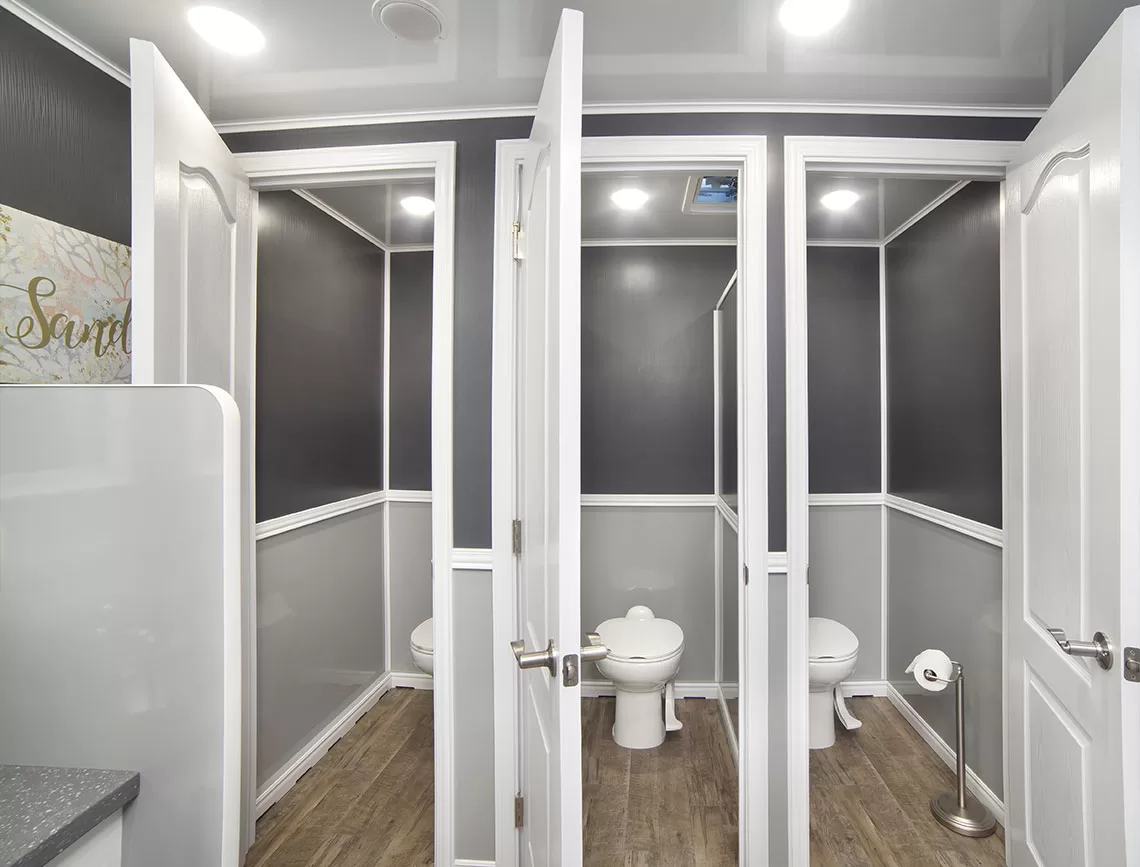
Restroom Trailer Rentals in Ocean Ridge, Florida
Call today for a free quote (239) 422-8897
Restroom Trailer
Fast, Easy, & 100% Free To Get Started
Over 10 Years Of Experience
With more than 10 years of expertise, our Restroom Trailer services are a cornerstone in the Ocean Ridge community. We pledge to provide high-quality solutions that cater specifically to the distinct needs of our local clients, ensuring the success of every event.
Commitment to Quality
We dedicate ourselves to quality, ensuring your guests find our restroom trailers clean, reliable, and accommodating. We focus on excellence in every detail of our service, guaranteeing satisfaction and comfort at each event.
Fast and Reliable Delivery
Experience swift, dependable deliveries with our restroom trailer rental service. We ensure prompt arrival and efficient setup, so you can focus on enjoying your event while we expertly manage all logistical details.
Luxurious Portable Restrooms in Ocean Ridge
Call for a Free Quote Today
(239) 422-8897
Located in Ocean Ridge, our company provides premium restroom trailers tailored for various events. We focus on reliability, ensuring our units are on-site and service-ready exactly when you need them. As a locally owned enterprise, we possess in-depth knowledge of Ocean Ridge and nearby areas like Delray Beach and Boynton Beach, offering unmatched dedication to quality and reliability. Our trailers enhance upscale events, including weddings and festivals, and are equally practical for construction sites and parties. Count on us to deliver outstanding, clean, and comfortable restroom solutions customized for your event's specific requirements.
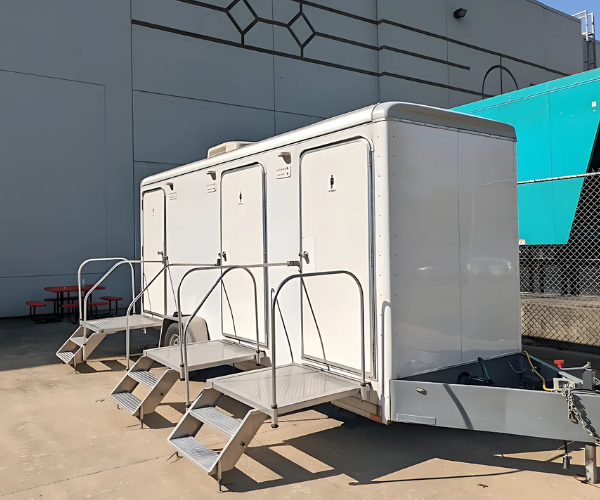
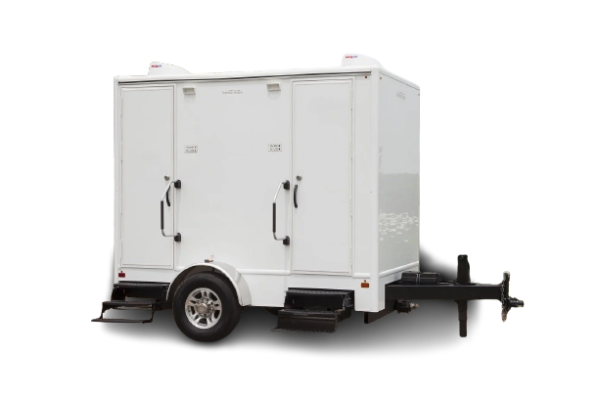
A compact, stylish solution featuring separate entrances for men and women.Each private suite includes flushing toilets, sinks with running water, interior lighting, and climate control for comfort at any event or worksite. (We offer variants 2–10 stalls.)
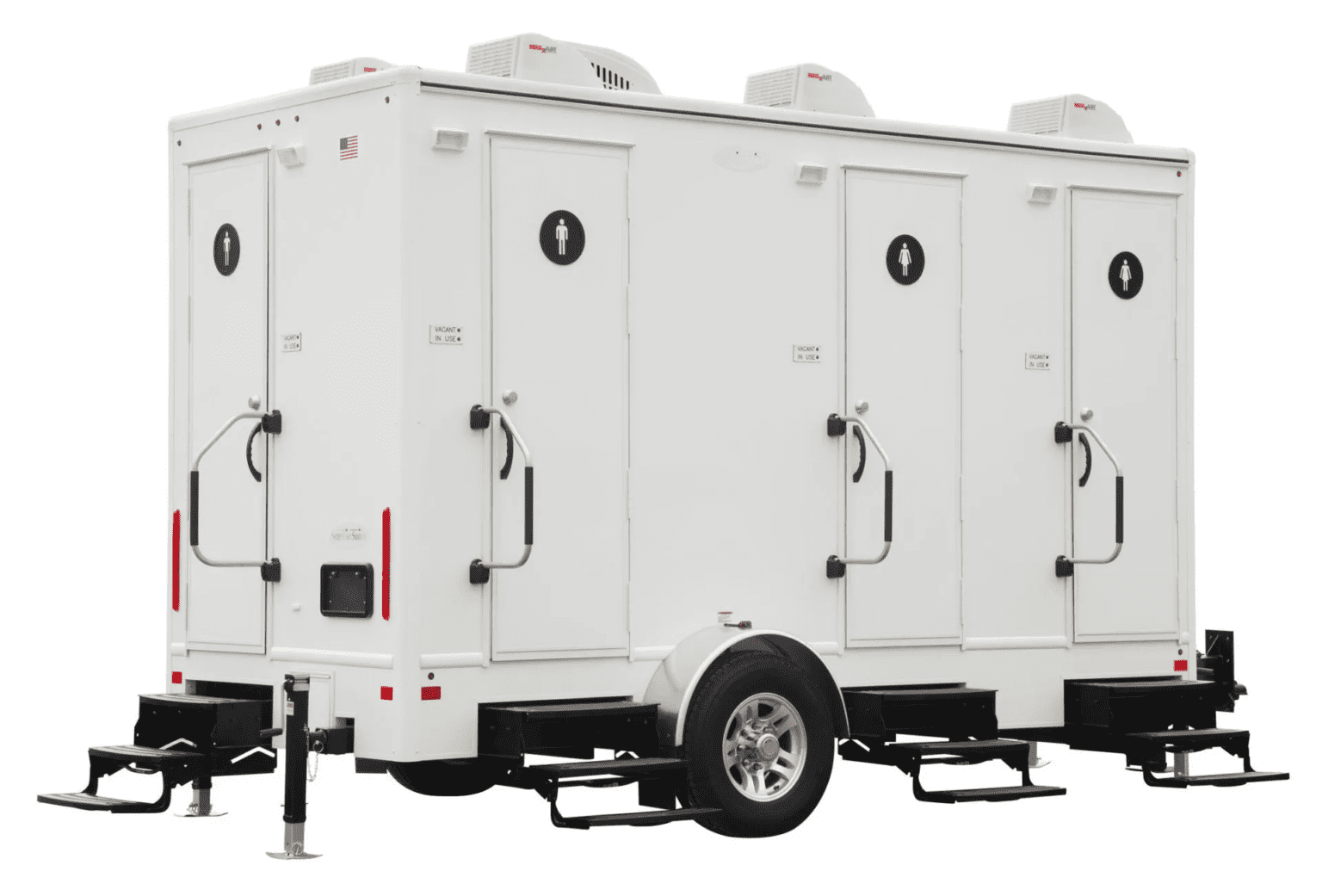
Designed for higher guest capacity, this unit offers four private, individual restrooms with flushing toilets, sinks with running water, interior lighting, and climate control. Ideal for weddings, festivals, and busy job sites.(We offer variants 2–10 stalls.)
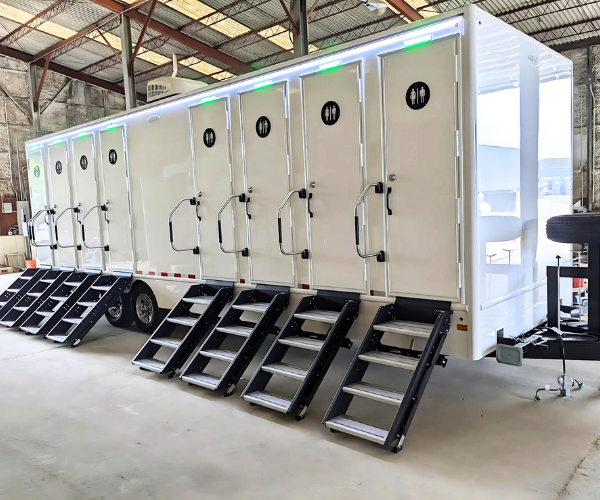
Perfect for large events and high-traffic sites, this spacious trailer provides eight private stalls, each with a flushing toilet, sink with running water, interior lighting, and climate control. A reliable, upscale solution for maximum convenience and comfort.(We offer variants 2–10 stalls.)
We Proudly Serve
Standard Portable Toilets
Prestigious Restrooms offers dependable standard portable toilets across Florida, ensuring high-quality sanitation for any event.
High Rise Portable Toilets
In Ocean Ridge, our high-rise portable toilets provide durable and convenient solutions for elevated construction sites.
Restroom Trailers
Our restroom trailers in Ocean Ridge are ideal for any upscale event, offering comfort and luxury from Prestigious Restrooms.
Roll off Dumpsters
Prestigious Restrooms provides reliable roll-off dumpsters in Ocean Ridge, ensuring efficient waste management for all needs.
Septic Tank Cleaning
Our septic tank cleaning service ensures pristine maintenance for all residents of Prestigious Restrooms, Florida.
Grease Trap Cleaning
We offer professional grease trap cleaning services in Ocean Ridge, Florida, to maintain optimal hygiene and efficiency.
Fencing & Barricades
Prestigious Restrooms provides secure fencing and barricades solutions throughout Florida, ensuring safety and organization.
Residential Storage
In Ocean Ridge, our residential storage solutions offer convenience and space efficiency for homeowners throughout Florida.
Ocean Ridge Restroom Trailers
Obtaining a quote for a restroom trailer is as simple as a few clicks. Our user-friendly platform allows potential clients to access and submit quote requests at the top and bottom of our pages through clearly marked 'Get A Quote' buttons. This seamless process requires basic personal details such as your first name, last name, phone number, and email. Once submitted, our team takes over, ensuring a prompt and accurate response tailored to your specific needs.Our commitment to convenience doesn't stop there. The delivery of our restroom trailers is strategically designed to align with your event timelines, ensuring set-up long before your first guests arrive. Our aim is to facilitate a stress-free experience from quote to delivery, allowing you to focus on the finer details of your event, whether it be a wedding, festival, or construction site requirement.With safety and punctuality at the forefront, our professional team ensures that all logistical aspects are covered. The trailers are always delivered clean, fully functional, and aesthetically pleasing, complementing rather than detracting from the ambiance of your venue. We pride ourselves on providing a product that reflects the elegance and efficiency that your affair demands.We know that peace of mind comes from knowing you have chosen a service renowned for reliability. Our reputation in areas surrounding Ocean Ridge, including Boynton Beach and Delray Beach, is built on delivering quality trailer solutions that meet diverse needs with consistency and professionalism.
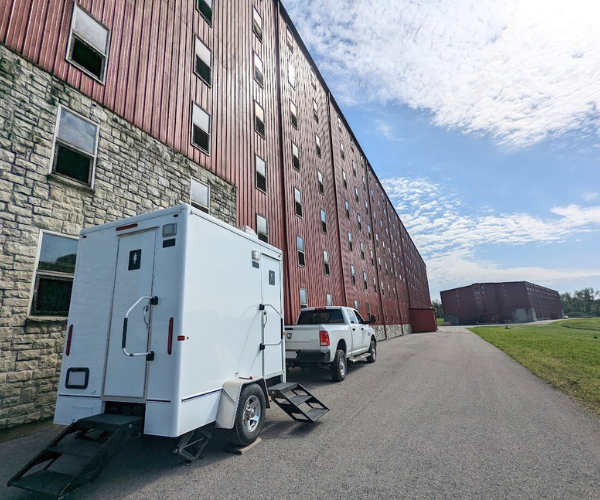
Steeped in local charm, Ocean Ridge offers the perfect backdrop for any event, from intimate gatherings to grand celebrations. Our restroom trailers are designed to seamlessly integrate into this picturesque coastal setting, providing a refined solution for outdoor events. With outdoor attractions and community events, like the Ocean Ridge Pumpkin Fest or gatherings along the scenic Boynton Beach Inlet, the convenience and sanitation offered by our trailers enhance every experience. Moving beyond aesthetics, our trailers offer practical benefits that make them the top choice in the Ocean Ridge area. Well-maintained, hygienic, and easily accessible, they cater to guests, ensuring comfort and luxury amidst nature's beauty. Whether hosting a wedding, a festival, or a corporate event, our units are tailored to augment the guest experience, ensuring a seamless blend of functionality and elegance. Community-driven events such as art shows at the Ocean Ridge Butterfly Garden or music evenings at the park can greatly benefit from our service, which prioritizes reliability and guest satisfaction. Our trailers are not just utility units but integral parts of making any outdoor event in Ocean Ridge special, offering an undeniable charm that speaks to guests and residents alike.
When choosing restroom trailer services in Ocean Ridge, our company stands out as the best choice due to our exceptional service and local insights. With deep-rooted ties to the community, we provide tailored solutions reflecting the needs and preferences of Ocean Ridge residents. Our trailers offer a blend of luxury and practicality, ensuring guests are comfortable and impressed.We are committed to sustainability, a core value that resonates well with the eco-conscious individuals of Ocean Ridge. Our units are designed with environmental considerations, reducing the impact while enhancing the convenience. Unparalleled support and consistency in service delivery further cement our position as the go-to choice for restroom needs in the area.
Our commitment to fast, reliable service ensures that our restroom trailer rentals are second to none in Ocean Ridge. We understand the importance of timeliness and efficiency, which is why we have streamlined our processes to ensure that our trailers are delivered and ready for use with minimal disruption.The reliability of our service is supported by our focus on customer satisfaction, ensuring that every trailer is maintained to the highest standards before dispatch. Whether for an event or urgent requirements, our fast response times make us a trusted partner for clients across Ocean Ridge.Our dedication to quality and quick service enables us to handle last-minute requests effectively, ensuring that you always have the facilities you need when you need them. This commitment to readiness and customer-focused service makes us the number one choice for reliable restroom trailer rentals.
Explore Ocean Ridge Restroom Trailers
Renting a restroom trailer in Ocean Ridge is a straightforward process designed for convenience and efficiency. Interested individuals can initiate their rental by submitting a quote request directly through our website. The process involves filling out a simple form available at both the top and bottom of our pages. By clicking the 'Get A Quote' button, users are directed to this form where they can input their essential details like first and last names, phone number, and email address.Once the form is submitted, our dedicated team promptly reviews the information to provide a tailored response suited to the specific needs of the request. Our streamlined quote and inquiry system ensures that communication is clear, prompt, and effective, allowing users to receive the most relevant information and payment options immediately.Our approach is characterized by transparency and user-friendliness, ensuring that perspective renters understand every stage of the process without hassle. The rental inquiry is typically followed by a personalized call from our service team to discuss detailed requirements, ensuring that all potential questions are addressed, and exact specifications are fulfilled.Understanding the varied needs of clients within Ocean Ridge, we offer flexible rental terms, accommodating both short-term event rentals and more extended arrangements for construction sites or other projects. Our commitment to client satisfaction is reflected in every phase of the process, making renting a restroom trailer as easy and worry-free as possible.User feedback consistently highlights the satisfaction with our process, praising the efficiency and responsiveness of our service team. By making every effort to understand and anticipate local requirements, we ensure that our service exceeds expectations and consistently enhances event success without unnecessary complications.
The typical delivery timeframe for a restroom trailer order is carefully managed to ensure it aligns with the needs of each client. Upon confirming an order, we usually deliver the trailer within 24 to 48 hours, ensuring it's operational well before the event begins. However, timelines can be adjusted to meet specific requirements, particularly for large-scale events that necessitate advanced planning and coordination.Our delivery team works diligently to accommodate specific time requests, providing a flexible window that allows for layout arrangement and set-up according to the event schedule. For urgent or last-minute needs, we offer expedited delivery options, understanding the importance of swift service in maintaining event continuity.Beyond the initial delivery, our service includes comprehensive support, ensuring that the restroom trailers are not just in place but fully functional and pristine. This extra assurance is part of our commitment to not just deliver on time but also to maintain the highest standards of cleanliness and convenience throughout the rental period.Coordination in delivery is key, and our team takes all precautions in planning the transport route to minimize disruptions, particularly in densely populated or sensitive areas of Ocean Ridge. This meticulous attention to detail in logistics ensures that whether it's an event, construction site, or any other requirement, restroom trailers are delivered efficiently and discreetly.Customer satisfaction with our delivery approach is reflected in our numerous repeat clients who depend on our reliability. Every aspect from ordering to delivery is designed with the client's specifications in mind, emphasizing timeliness, precision, and professionalism at every point.
Absolutely! We are equipped to service a diverse range of events and construction sites, tailoring our restroom trailer solutions to meet the unique demands of each situation. Whether it's a bustling festival, a refined wedding, or the rugged needs of a construction site, our portable restroom solutions seamlessly integrate to provide necessary sanitation services. Tailored for flexibility, our offerings include luxury restroom trailers for formal occasions, standard porta potties, and robust roll-off dumpsters for construction sites. We also provide additional facilities such as fencing, barricades, holding tanks, ADA-compliant units, portable sinks, and hand sanitizer stations, ensuring comprehensive coverage for any requirement.Our experience in servicing various types of events such as sporting events, corporate gatherings, and family reunions ensures that we are prepared to adapt to any situational demands, offering a diverse array of options that cater to different group sizes and setups. This capacity empowers us to handle logistical complexities efficiently, resulting in flawless execution on site.Committed to operational excellence, our well-maintained equipment guarantees hygiene and comfort, regardless of location challenges like rough terrains or limited spaces. This adaptability is crucial for enhancing guest experiences or ensuring worker efficiency, maintaining comfort alongside function.The advantages of trusting our service extend to our streamlined approach, which ensures each customer's preference is met with meticulous attention to detail. This commitment to exceptional planning and execution is what sets our service apart, highlighting our ability to cater to all types of events or construction requirements with unmatched quality.