Restroom trailers offer numerous eco-friendly advantages, making them an intelligent choice for both private and public events. By integrating water-saving technology like low-flow toilets and faucets, these trailers significantly reduce water consumption compared to traditional restrooms. Additionally, many restroom trailers utilize solar power to provide lighting and ventilation, minimizing electricity usage and reducing carbon footprints.The materials often used in the construction of these trailers are also selected for sustainability, such as recycled metals and plastics, which not only cut down on resource usage but also improve durability. This focus on quality materials ensures that the trailers have a longer life span, decreasing the need for frequent replacements and reducing waste.With regards to waste management, restroom trailers contribute to environmental safety by channeling waste into secure holding tanks, preventing contamination to local ground and water sources. Organizations committed to sustainable practices often choose these trailers to demonstrate responsibility toward the environment while ensuring comfort and convenience for guests.The versatile design of restroom trailers allows them to be transported easily to various event sites, which reduces emissions from typically larger, more resource-intensive traditional restroom setups. Continued innovation in the industry means increasingly sustainable solutions are being developed, allowing users to incorporate eco-conscious choices into their event planning seamlessly.The strategic use of biodegradable and environmentally friendly cleaning products during routine maintenance guarantees that these facilities remain in top sanitary conditions without introducing harmful chemicals into the ecosystem. Employing restroom trailers showcases a commitment not only to effective event management but also to the planet, aligning convenience with conservation.Opting for restroom trailers exemplifies an approach that supports environmental stewardship by effectively balancing user needs with sustainable practices. They serve not only as modern amenities but as strategic choices that address and support the ecological well-being of future generations.

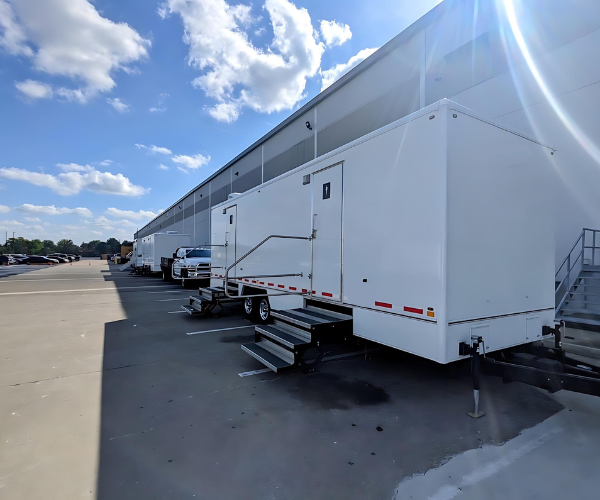
Restroom Trailer Rentals in Okeechobee County, Florida
Call today for a free quote (239) 422-8897
Restroom Trailer
Fast, Easy, & 100% Free To Get Started
25 Years of Experience
With over 25 years of experience, our company is deeply rooted in the Okeechobee County community, where we've built a reputation for quality and dedication to customer satisfaction.
Top-Quality Service Guaranteed
Our commitment to quality ensures that each restroom trailer we provide is maintained to the highest standards, delivering a clean, comfortable experience for every event.
Swift and Reliable Delivery
Our team ensures rapid delivery of restroom trailers, providing your event or job site in a timely manner with essential facilities and support.
Premium Restroom Trailers in Okeechobee County
Call for a Free Quote Today
(239) 422-8897
Based in the heart of Okeechobee County, our restroom trailer company offers dependable and locally owned solutions to meet your sanitation needs. With a commitment to reliability, we proudly serve not only Okeechobee but also surrounding areas, ensuring that every event from construction sites to weddings has access to top-quality amenities. Our full-service rentals are perfect for parties, festivals, and any other gathering, providing a hassle-free experience with our clean and comfortable facilities.
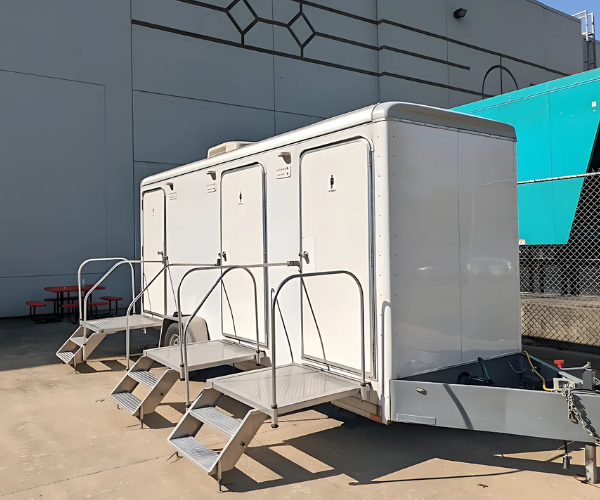
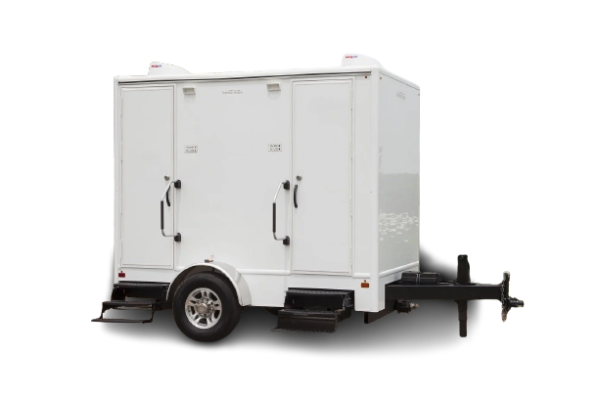
A compact, stylish solution featuring separate entrances for men and women.Each private suite includes flushing toilets, sinks with running water, interior lighting, and climate control for comfort at any event or worksite. (We offer variants 2–10 stalls.)
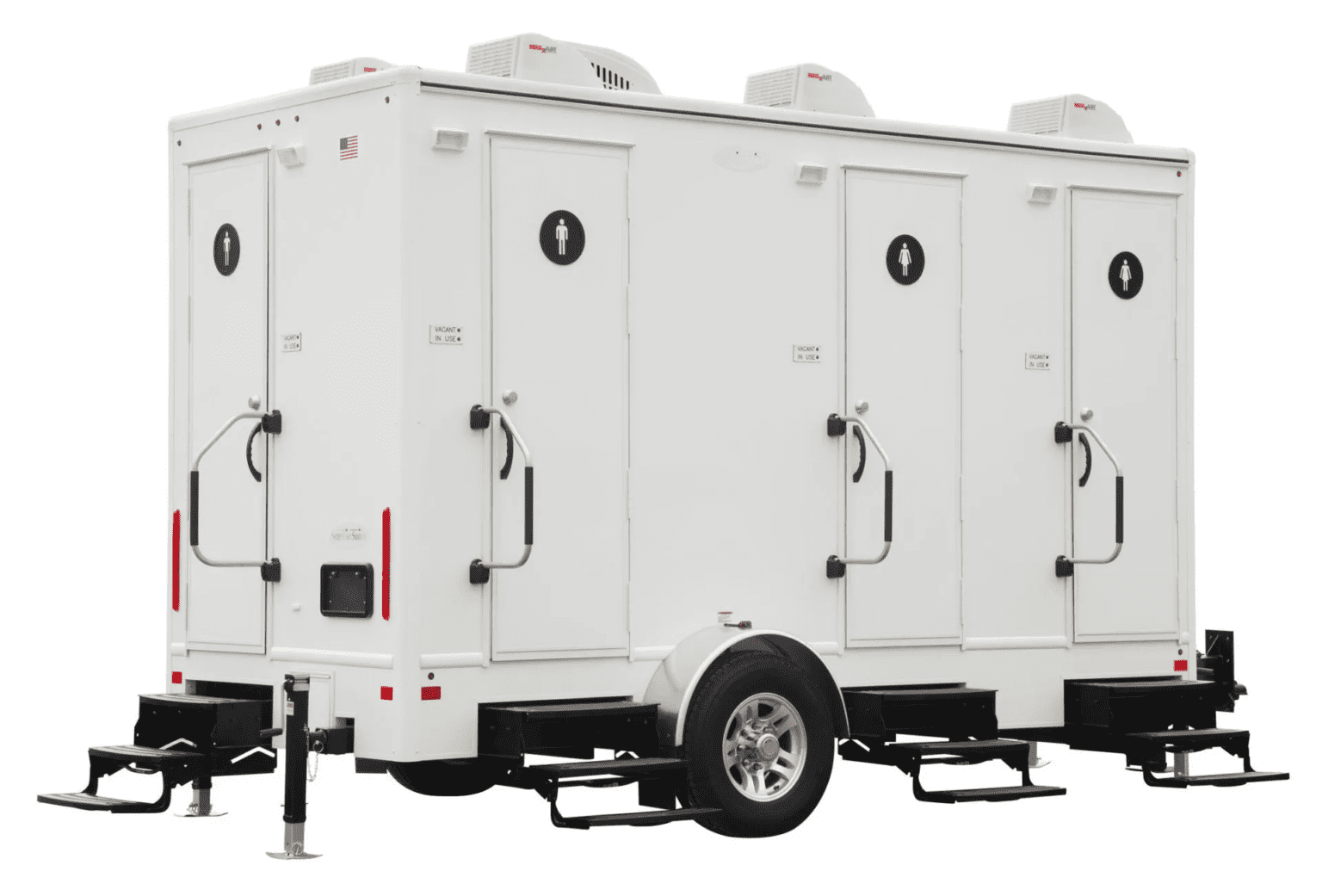
Designed for higher guest capacity, this unit offers four private, individual restrooms with flushing toilets, sinks with running water, interior lighting, and climate control. Ideal for weddings, festivals, and busy job sites.(We offer variants 2–10 stalls.)
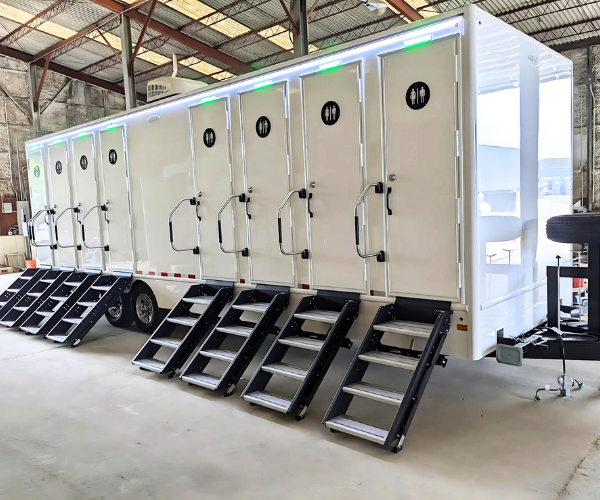
Perfect for large events and high-traffic sites, this spacious trailer provides eight private stalls, each with a flushing toilet, sink with running water, interior lighting, and climate control. A reliable, upscale solution for maximum convenience and comfort.(We offer variants 2–10 stalls.)
We Proudly Serve
Standard Portable Toilets
Our standard portable toilets service in Florida features clean, accessible units perfect for any event.
High Rise Portable Toilets
Providing high rise portable toilets designed for compact spaces and high-rise construction projects in Okeechobee County.
Restroom Trailers
Our restroom trailers offer luxurious, comfortable portable bathroom solutions in Okeechobee County, through Prestigious Restrooms.
Roll off Dumpsters
Our roll-off dumpsters provide efficient waste management solutions for diverse projects in Okeechobee County.
Septic Tank Cleaning
Prestigious Restrooms offers professional septic tank cleaning services throughout Florida, ensuring top-tier sanitation.
Grease Trap Cleaning
Offering professional grease trap cleaning services to ensure sanitation and hygiene for businesses in Okeechobee County.
Fencing & Barricades
Providing fencing and barricades for secure, organized event and construction setups in Prestigious Restrooms, Florida.
Residential Storage
Reliable residential storage solutions available for any need in Okeechobee County, Florida.
Okeechobee County Restroom Trailer Rentals
Securing a quote and delivery for a restroom trailer in Okeechobee County is a straightforward and convenient process, designed to accommodate your schedule and event needs efficiently. To begin, simply fill out the brief form located at both the top and bottom of our website, where you'll be prompted to provide basic contact information such as your first and last name, phone number, and email. Alternatively, you can click the 'Get A Quote' button found prominently across our site to initiate your request.Our team is committed to responding promptly, providing you with a comprehensive quote tailored to your specific event requirements, including the number of trailers needed and the duration of your rental. Once you've received your quote, confirm your reservation, and we'll coordinate directly with you to ensure a timely and organized delivery.Our delivery service is designed to be flexible, offering convenient scheduling to meet your event's timeline, whether you're preparing for a large festival or an intimate wedding ceremony. We aim for a seamless process, from the initial quote request to the final setup at your location.All our restroom trailers are meticulously maintained, guaranteeing a superior experience with features like climate control, luxurious interiors, and exceptional sanitary standards, making them the perfect choice for enhancing guest comfort. Trust us for an efficient, reliable, and stress-free rental service that caters to your unique needs in Okeechobee County.
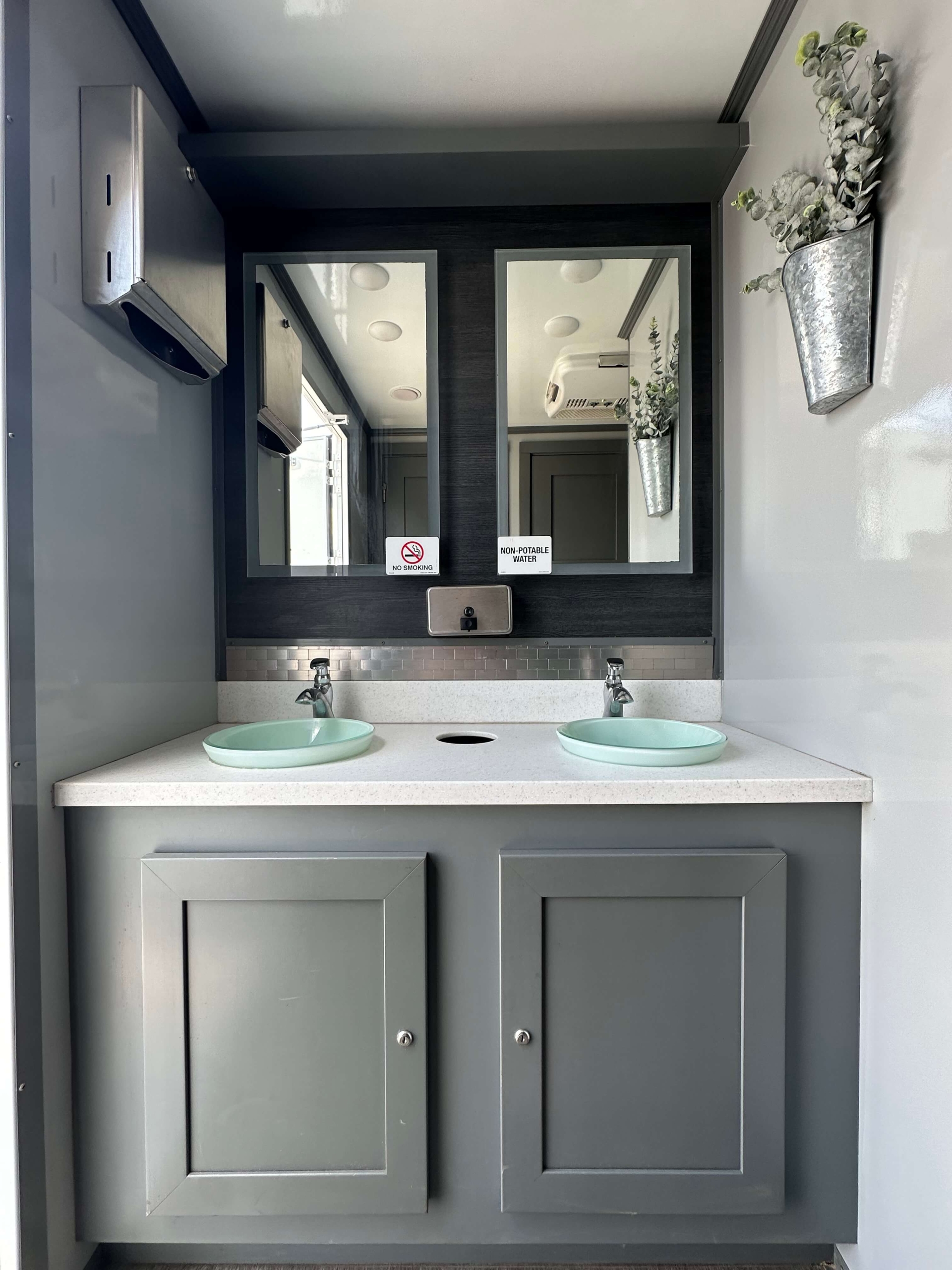
Experience the best that Okeechobee County has to offer with our premium restroom trailers, blending local charm with modern convenience for an unforgettable service. Amidst the lush landscapes and vibrant events like the Okeechobee Music & Arts Festival, our services stand out in providing sanitary solutions that perfectly complement any local occasion. Whether you're hosting a bustling festival or a serene outdoor wedding near Lake Okeechobee, our trailers offer a reliable, pristine environment designed to elevate your event experience. With our strong community ties and commitment to quality, we offer services that incorporate the distinct character and lively atmosphere of Okeechobee, ensuring your guests enjoy a clean, comfortable, and convenient restroom experience. Our lineup of restroom trailers is curated to meet diverse needs, equipped with superior features aimed at maximizing guest satisfaction, making them the top choice for any event in this beautiful county.
In Okeechobee County, we stand as the premier option for restroom trailer rentals, known for our unwavering dedication to quality and customer satisfaction.Our locally-owned and operated business thrives on community relationships, delivering personalized service combined with an in-depth understanding of the region's unique needs. This allows us to provide a product that not only meets but exceeds expectations, ensuring your event is a resounding success.Leveraging years of experience and our commitment to top-tier service, we guarantee that every trailer is prepared to the highest standard, offering clean, well-maintained, and stylish facilities that align with your event's prestige. Choose us for a seamless, dependable service that highlights the best of Okeechobee County.
Experience fast and reliable restroom trailer services in Okeechobee County, ensuring your events and projects run smoothly without delay.We dedicate ourselves to prompt responses and timely delivery, setting up trailers efficiently so you can concentrate on the success of your event. Be it a wedding, festival, or construction project, our streamlined process guarantees access to premium sanitation facilities right when you need them.Each trailer undergoes regular servicing to uphold the highest standards of cleanliness and functionality, providing a comfortable experience for every guest and user. Rely on us to offer dependable service, ensuring your event in Okeechobee County proceeds seamlessly.
Learn More About Our Okeechobee Restroom Trailers
Renting a restroom trailer in Okeechobee County is a straightforward and customer-friendly process designed to make your experience as seamless as possible. To begin, potential renters should visit our website, where you'll find accessible forms at both the top and bottom of the page for your convenience. To initiate the rental process, simply fill in your pertinent details including your first and last name, phone number, and email. This concise form helps us gather essential information to provide you with an accurate and personalized quote.Additionally, throughout our website, you will find several 'Get A Quote' buttons strategically placed to simplify gaining access to your desired restroom trailer options. Clicking these buttons promptly directs you to the form needed to request your rental quote, helping streamline your experience.Once your request has been submitted, our knowledgeable and friendly team will swiftly process your information to deliver a customized quote that caters to your specific event requirements. All aspects, including delivery and setup details, will be addressed to ensure no element of your event is overlooked.Upon reviewing the quote, discussions regarding payment modalities and your preferred schedule for delivery and setup can occur. Our commitment to providing excellent service ensures that your participation in the process is minimal, allowing you to focus on other facets of your event planning.For customers with unique needs or questions, we offer personalized support to guarantee complete satisfaction with our services. We invite you to reach out via phone or email to further discuss any special considerations you might have for your event.Rest assured that all our restroom trailers come with the promise of timely delivery, exceptional sanitation standards, and the best customer service experience in Okeechobee County. Choose our services and enjoy a worry-free event knowing your restroom trailer needs are being expertly handled.
The delivery timeframe for restroom trailer orders is a critical consideration for any event planning, and our company is dedicated to providing a timely and efficient service to all customers in Okeechobee County. Typically, we advise placing your order at least a week in advance to ensure availability and optimal scheduling. This lead time allows us to ensure the specific requirements and preferences for your event are thoroughly met.Once you've confirmed your order, our team promptly initiates the transportation logistics to guarantee your restroom trailers arrive on time. Our extensive fleet and broad service coverage enable us to efficiently manage deliveries across all locations, ensuring prompt arrival regardless of your event's size or location.During the planning phase, our experienced coordinators closely collaborate with you to determine the most appropriate delivery window, taking into account the unique constraints and timings of your event. Our commitment to transparency and communication ensures that you are kept informed throughout the entire process, with regular updates provided to confirm scheduling details.For added convenience and peace of mind, our team can accommodate last-minute requests or changes swiftly. We understand that plans can evolve rapidly, and our flexible service is designed to adapt to such circumstances, ensuring our customers' needs are prioritized.Once on location, our skilled delivery personnel efficiently set up the trailers, ensuring they operate seamlessly to provide uninterrupted service for your event. We also conduct thorough checks to maintain high standards of cleanliness and functionality, ensuring your guests enjoy a premium sanitary experience.To maximize the effectiveness of our delivery service, we continuously evaluate and optimize our processes, leveraging the latest technologies and practices. Our goal is to offer dependable and precise delivery service while maintaining the highest levels of customer satisfaction.Overall, our restroom trailer delivery service aims to remove any potential stress or disruption from your event planning process, ensuring each order is handled with the utmost care and reliability.
Yes, we can indeed service all types of events, including a wide range of construction services. Our company specializes in accommodating diverse event needs, whether it be a large-scale festival, a sporting event, or an intimate wedding. We proudly offer luxury restroom trailers tailored to enhance every occasion with style and comfort.Our service selection includes not only restroom units but also portable amenities like porta potties, roll-off dumpsters, fencing, and barricades. All these options are designed to ensure a seamless guest experience and efficient event logistics, complemented by strategically placed portable sinks and hand sanitizer stations to maintain cleanliness and hygiene.Whether you're coordinating an upscale corporate event or a family reunion, you can trust our experienced team to provide sanitary solutions that meet the highest standards. Our varied range of ADA units ensures that everyone, regardless of mobility needs, can comfortably access our facilities without hassle.For more specialized requirements, our lineup of holding tanks caters to construction sites and large venues requiring continual waste management solutions. Our attention to detail in service delivery sets us apart, offering you peace of mind knowing that all aspects of your event's sanitation needs are expertly covered.By choosing our services, you're opting for flexibility and quality, supported by a dedication to customer satisfaction that runs through every facet of our operations. We strive to exceed expectations, providing not just convenience but also a tangible enhancement to the overall guest experience.When you engage with us, you're selecting a partner committed to delivering excellence, no matter the scale or type of your event. We invite you to explore how our comprehensive service offerings can elevate your next event in Okeechobee County.