The eco-friendly advantages of using a restroom trailer are numerous, making them an excellent choice for environmentally conscious event planners and construction site managers. These units are designed to reduce water usage significantly, often employing high-efficiency flushing systems and waterless urinals to conserve this precious resource. By minimizing water consumption, restroom trailers help decrease the environmental impact typically associated with portable sanitation solutions. Moreover, restroom trailers are equipped to handle waste management more effectively than traditional portable toilets. With built-in waste treatment systems, these units often utilize eco-friendly chemicals that break down waste without harming the environment. This ensures that any byproducts are less hazardous, facilitating safer disposal processes. Additionally, since the restroom trailers are maintained regularly by service teams, the chances of environmental contamination are further reduced, safeguarding both ecosystems and human health in the event area. Energy-efficient lighting and air conditioning systems further bolster the eco-friendly profile of restroom trailers. These features use less power, leveraging renewable sources such as solar panels where possible, thus lessening the dependency on conventional electricity and reducing the carbon footprint. The construction of these trailers also reflects a commitment to sustainability, with many manufacturers using recycled and recyclable materials, adhering to stricter environmental regulations. In summary, restroom trailers represent an advanced solution in portable sanitation with a clear focus on ecological sustainability. By integrating leading-edge technology and operational practices, they support a comprehensive approach to reducing waste footprints, promoting resource conservation, and enhancing event experiences without compromising the environment. Such solutions align perfectly with contemporary environmental expectations, appealing to clients who prioritize green practices.

Restroom Trailer Rentals in Polk County, Florida
Call today for a free quote (239) 422-8897
Restroom Trailer
Fast, Easy, & 100% Free To Get Started
Over 20 Years Of Experience
With more than 20 years of experience, we have forged strong bonds with the Polk County community, consistently delivering top-notch service and ensuring customer satisfaction. Our unwavering dedication to offering outstanding restroom trailer solutions further reinforces our commitment to excellence.
Unmatched Quality Service
Our commitment to unparalleled quality service ensures that every restroom trailer is thoroughly cleaned and maintained. We take pride in providing luxurious facilities, enhancing the overall guest experience with superior amenities and reliable performance.
Swift Delivery Guaranteed
Our swift delivery service ensures that your restroom trailer arrives on time, every time. We focus on delivering prompt, reliable service, so your event runs smoothly without any hassle or delay.
Premium Restroom Trailers in Polk County
Call for a Free Quote Today
(239) 422-8897
Experience unparalleled convenience with our Restroom Trailer services in Polk County, Florida, ensuring a pristine and sanitary setting for every occasion. We take pride in our reputation as a dependable, reliable, locally owned business, well-known throughout the community for our exceptional services. Ideal for construction sites, parties, festivals, and weddings, our trailers are equipped with modern amenities. Serving Polk County and the surrounding areas, we are dedicated to enhancing your events with top-quality solutions. Expect superior service, delivered on time, every time.
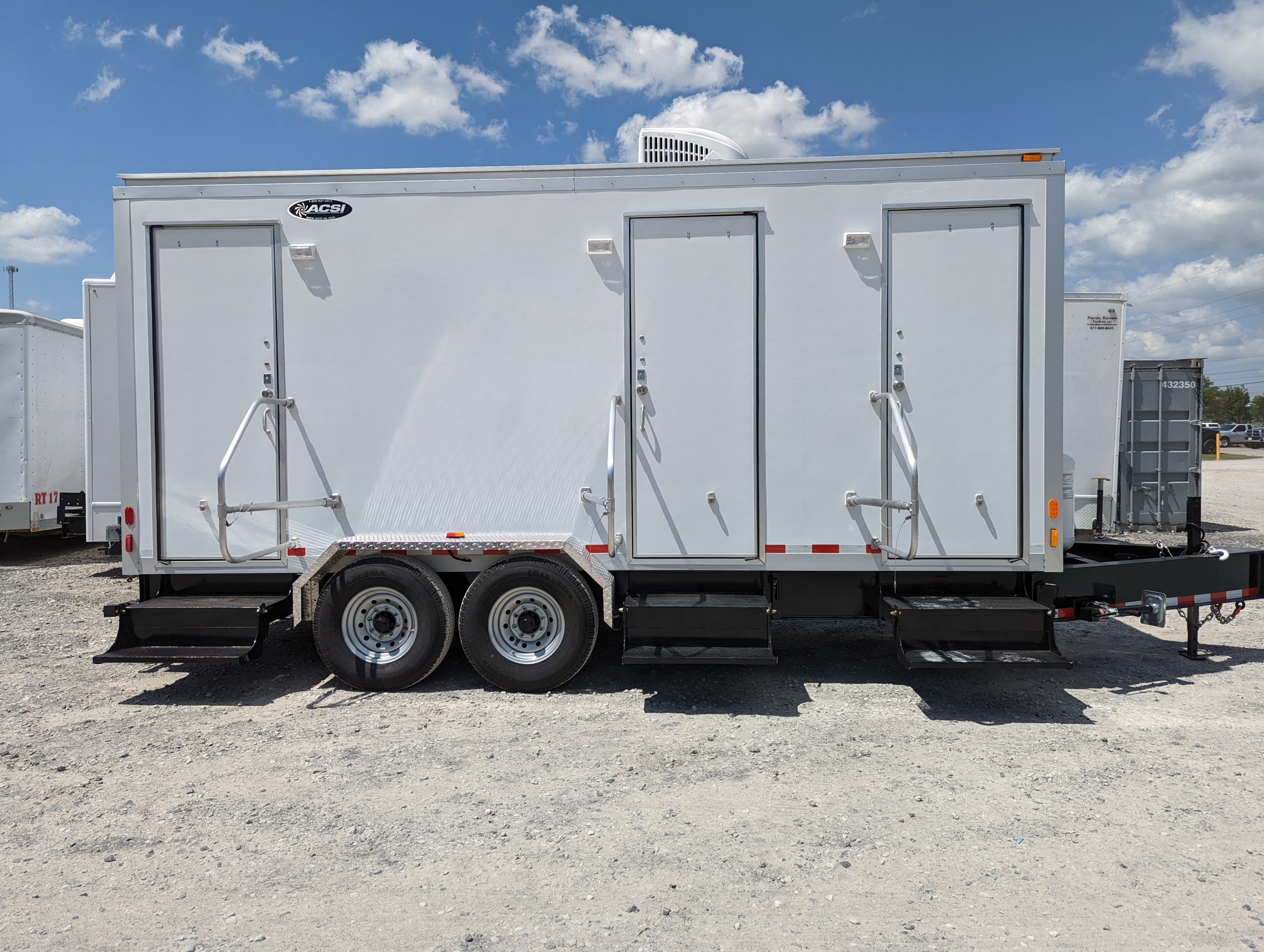
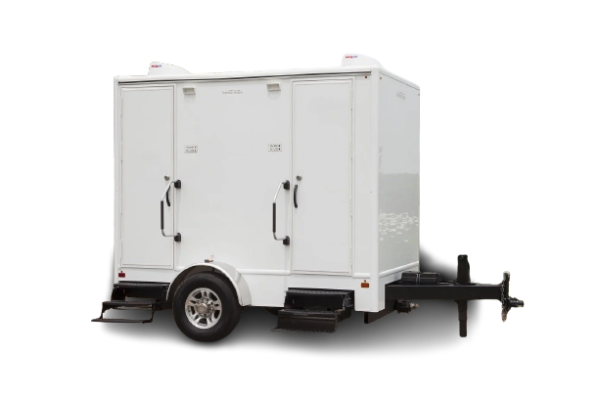
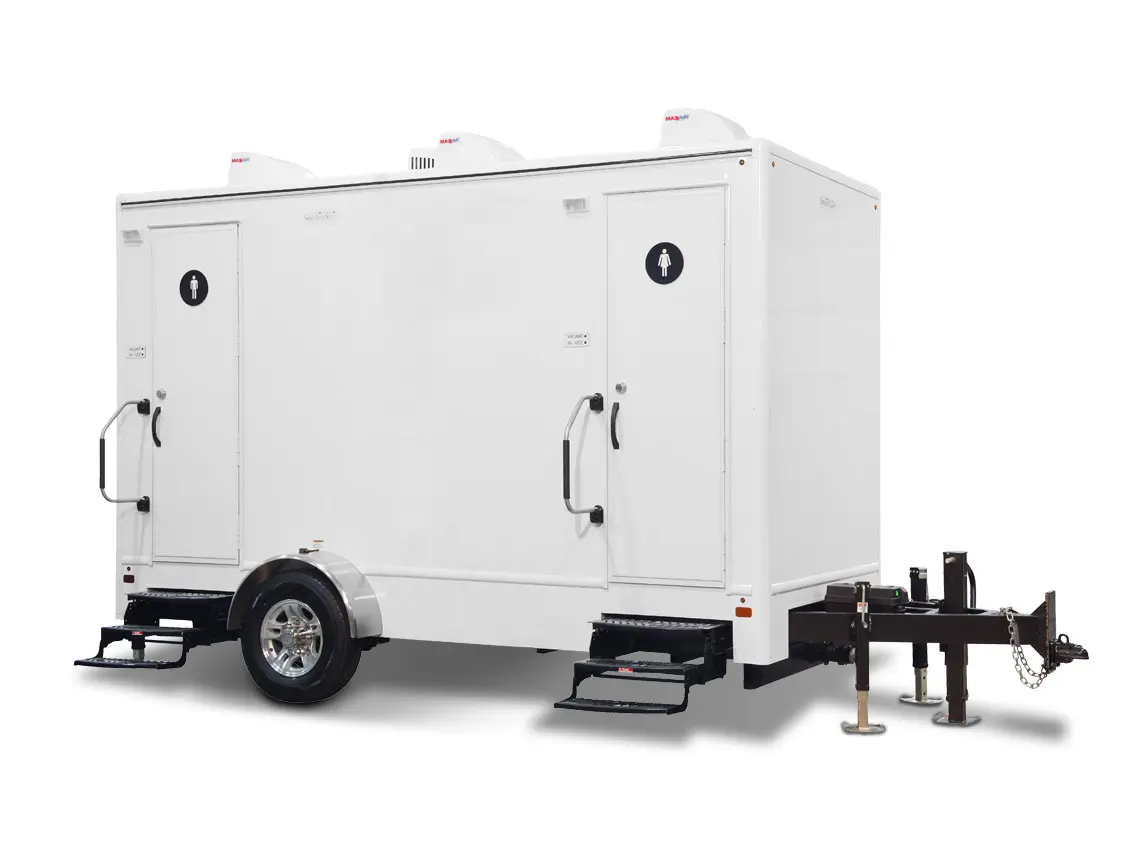
A compact, stylish solution featuring separate entrances for men and women.Each private suite includes flushing toilets, sinks with running water, interior lighting, and climate control for comfort at any event or worksite. (We offer variants 2–10 stalls.)
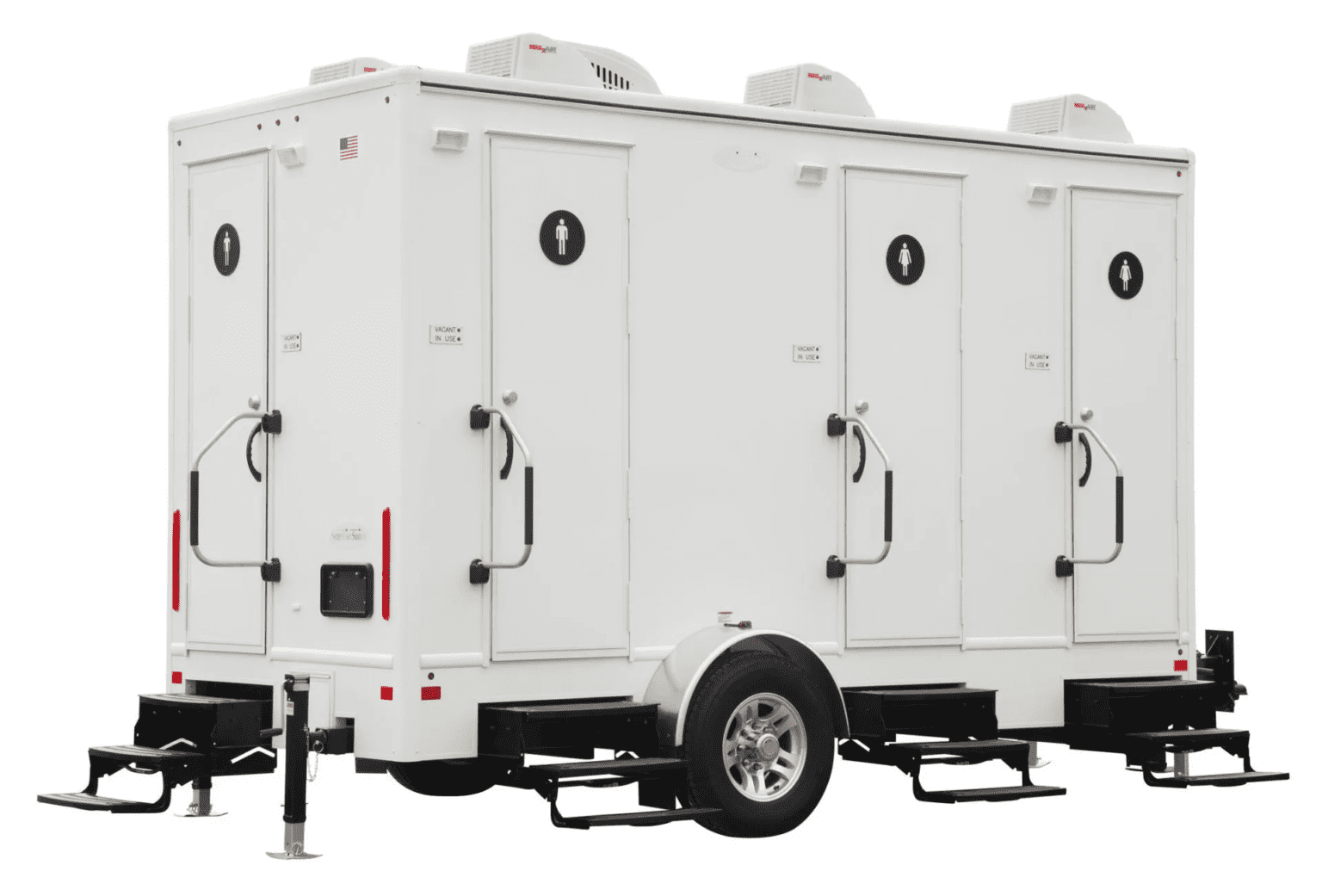
Designed for higher guest capacity, this unit offers four private, individual restrooms with flushing toilets, sinks with running water, interior lighting, and climate control. Ideal for weddings, festivals, and busy job sites.(We offer variants 2–10 stalls.)
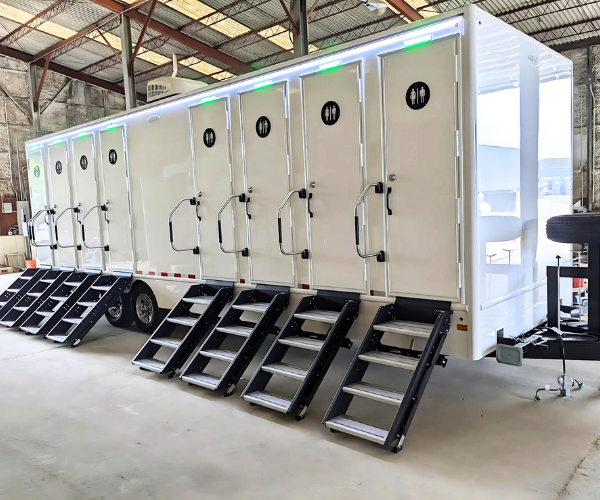
Perfect for large events and high-traffic sites, this spacious trailer provides eight private stalls, each with a flushing toilet, sink with running water, interior lighting, and climate control. A reliable, upscale solution for maximum convenience and comfort.(We offer variants 2–10 stalls.)
We Proudly Serve
Standard Portable Toilets
Our Standard Portable Toilets are a practical sanitation solution for any event or outdoor worksite across Florida.
High Rise Portable Toilets
Located in Polk County, our High Rise Portable Toilets offer convenience and sanitation solutions at elevated sites.
Restroom Trailers
Prestigious Restrooms provides luxurious Restroom Trailers equipped for any event within Polk County.
Roll off Dumpsters
Our Roll off Dumpsters in Polk County offer efficient waste disposal for construction and cleanup projects.
Septic Tank Cleaning
Offering Septic Tank Cleaning services in Florida, Prestigious Restrooms ensures functionality and clean septic systems.
Grease Trap Cleaning
In Polk County, our expert Grease Trap Cleaning service ensures clean, efficient kitchen wastewater systems.
Fencing & Barricades
Prestigious Restrooms offers quality Fencing & Barricades services to secure any outdoor event in Florida.
Residential Storage
Our Residential Storage in Polk County provides secure, flexible storage solutions for your home needs.
Polk County Restroom Trailer Solutions
Obtaining a quote and scheduling delivery for a restroom trailer has never been easier. Our streamlined process allows you to request a quote online effortlessly, ensuring a quick response without any wait. Once the quote is accepted, we handle all aspects of the delivery, ensuring that the restroom trailer arrives at your location on time, ready to serve your guests. Whether you are planning a large festival or an intimate wedding, our aim is to make the process smooth and convenient from start to finish. With our experienced team managing everything from logistics to on-site setup, you can focus on the event while we take care of providing top-tier restroom services. Our reliable history of delivering and managing restroom solutions ensures your peace of mind, knowing that we are committed to over-delivering service excellence every step of the way.
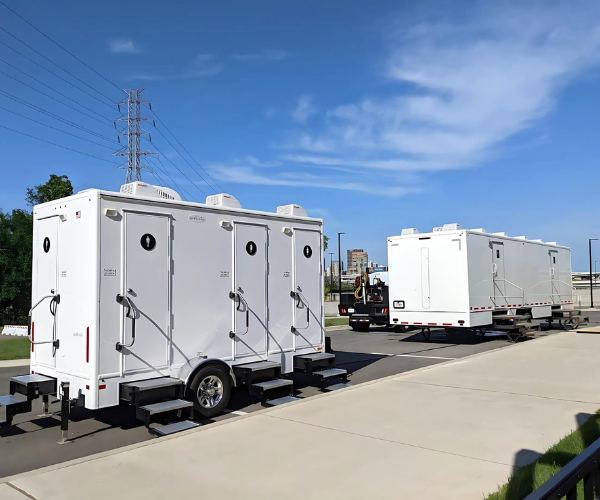
Nestled in the heart of Florida, Polk County thrives with local charm and picturesque landscapes, making it a prime location for hosting events. Our premium Restroom Trailer services perfectly align with the area's community spirit, offering seamless solutions that expertly match the needs of outdoor attractions and local gatherings. Whether it's the bustling festivities of the Central Florida's Polk County Fair or exploring the serene paths of Bok Tower Gardens, our restroom trailers are designed to enhance your guest experience, providing unparalleled comfort and convenience. From lively festivals to community events, our trailers retain the local charm, ensuring every moment spent is memorable and enjoyable. Choose us to benefit from the unique blend of reliable service and elegant solutions, as we bring our expertise and understanding of Polk County's culture to every project we undertake. Count on us for clean, efficient, and comfortable restroom trailer services, tailored to upgrade any occasion.
Choosing us in Polk County means selecting a partner committed to excellence in restroom trailer services. Our local team, deeply familiar with the area's culture and values, offers personalized and attentive service that makes a significant impact. We don't just provide restroom facilities; we deliver a seamless experience that perfectly aligns with local expectations. When you demand high standards and a trusted local presence, our solutions meet all your event needs with precision and care. Elevate your event's ambiance with our exceptional restroom trailers, allowing your guests to enjoy Polk County's true essence. Our team, experts in hospitality, services every event thoroughly and intuitively. We possess the infrastructure and local expertise to ensure every event shines. Partner with us for unmatched quality, reliability, and a unique touch of regional flair that only we can provide.
Fast and reliable delivery is the backbone of our restroom trailer services in Polk County. We understand that timing is crucial, and hence, our logistics are meticulously planned to ensure prompt service, every time. Our dedicated team works tirelessly to coordinate and execute a flawless delivery process, accommodating your schedule with precision and efficiency. From inquiry to installation, expect a smooth experience that guarantees our restroom trailers meet your exact specifications and arrive ready to use. Partner with us for your event needs, and witness the blend of fast service with reliable execution that defines our commitment to excellence in all we do. Trust us to deliver superior service and unparalleled quality at every step, ensuring your event's success and transforming restroom logistics into convenient solutions tailored to your unique requirements.
Polk County Restroom Trailer Insights
Renting a restroom trailer in Polk County is a straightforward and hassle-free process designed for your convenience. Begin by visiting our website, where forms are available at both the top and bottom of each page to make your rental inquiry quick and easy. Simply click on the 'Get A Quote' buttons located throughout the site to open the inquiry form. Our form is intuitive and accessible, requesting basic information such as your first name, last name, phone number, and email. This ensures our team can get in touch with you swiftly to discuss your needs and confirm the specifics of your event or project. Once the details are finalized, we coordinate the logistics to deliver a restroom trailer that accommodates your requirements. Our experienced staff are on hand to provide assistance and additional information if needed, guiding you through the rental process to make sure all your queries are answered. From selecting the right trailer model to arranging timely delivery and setup, our goal is to ensure a seamless rental experience for all our clients. With a dedicated local presence in Polk County, we pride ourselves on understanding the unique needs of our clientele. Whether you're hosting an outdoor wedding, a local festival, or require facilities for a construction site, trust us to deliver on-time, every time. Experience our reliable service that combines quality, efficiency, and customer-focused care—a true staple of our rental solutions in the region.
Understanding the typical delivery timeframe for restroom trailer orders is essential for effective event or project planning in Polk County. Our delivery schedules are meticulously planned to accommodate your timeline, ensuring all trailer units arrive promptly at the designated location. On average, restroom trailer deliveries are managed to suit the client's needs, typically requiring a minimum lead time of several days to ensure proper coordination and equipment availability. Our service standards emphasize both flexibility and reliability, allowing for adjustments based on short-notice requests and specific requirements. While we encourage our clients to book in advance to guarantee availability and preferred options, we are fully equipped to handle urgent orders, maintaining a responsive approach to our delivery commitments. Delivery capacity and timing vary depending on the specific requirements of your order, including location type and the season's demand. Factors such as distance, accessibility, and service preparedness are taken into consideration during the planning process. Our team works closely with you to confirm scheduling that suits your event's, ensuring that restroom facilities are operational precisely when needed. Our dedication to punctuality and thorough preparation ensures a seamless experience where restroom trailers are delivered as expected, enhancing your event's fluidity and service satisfaction. Once onsite, our experienced technicians handle the setup and verification process, verifying that all facilities function correctly before your guests arrive. Rest assured, choosing our restroom trailer services means partnering with a team committed to maintaining exceptional delivery standards that boost every element of your event or project in Polk County and surrounding regions.
Yes, indeed! Our comprehensive restroom trailer rental services are fully equipped to cater to all types of events and construction services across Polk County and beyond. We have a robust setup capable of accommodating a wide range of events, from large-scale festivals and sporting events to weddings, corporate gatherings, and family reunions. Our luxury restroom trailers provide exceptional sanitation solutions tailored for any special occasion, enhancing the event experience with clean and comfortable facilities. For construction services, we offer a variety of practical solutions, ensuring your site is equipped with essential amenities like roll-off dumpsters, porta potties, and ADA-compliant units. Additionally, our extensive service offerings include portable sinks, hand sanitizing stations, and fencing, which are crucial for maintaining hygienic and safe environments on worksites. Whether you're planning an elegant outdoor wedding or managing a sprawling construction project, our team is here to support your needs with customizable solutions and reliable service delivery. Trust us as your partner, providing well-maintained units and attentive care that respects both your timeline and budget. Our excellence in customer service and superior quality equipment make us the preferred choice, committed to transforming your event or project with efficient and effective restroom trailer rentals and associated services. From luxury experiences to practical site requirements, we excel in delivering tailored solutions that uphold our reputation as leaders in the industry.