Restroom trailers are a remarkable eco-friendly choice for sanitation needs. They significantly reduce environmental impact compared to traditional portable toilets due to advanced waste processing systems. These systems allow for the safe and efficient disposal of waste without harming the surroundings. Unlike older models, restroom trailers are often equipped with low-flow fixtures, which reduce water consumption drastically while still maintaining a high standard of cleanliness and hygiene. Furthermore, many restroom trailers use solar power and other renewable energy sources to minimize their carbon footprint, providing an off-grid solution that remains green.Another key advantage is the reduction in disposable components. Many event planners note how restroom trailers eliminate the need for single-use plastic items like seat covers or excessive paper products. The robust design implies longevity and reusable materials that lessen landfill burden. Additionally, these units are designed with modern filtration and exclusion systems that prevent bad odors, improving the overall air quality around the facilities, which is not only great for party-goers but crucial during prolonged outdoor events.Manufacturers also prioritize using recycled materials to build the trailers, enhancing sustainability without compromising on aesthetics or comfort. This means attendees can appreciate both the convenience and the minimized ecological impact. For venues that are conscious of their environmental footprint, restroom trailers serve as an excellent statement piece, showcasing commitment to eco-friendly practices while providing high-quality amenities. Their versatility and compliance with ADA standards further underscore their value in accommodating all guests with dignity and grace. Each unit is a small step toward environmental mindfulness in large-scale events, construction sites, or temporary setups. Lastly, these trailers require fewer transport trips than its predecessors, meaning less fuel and emission output, helping communities stride towards a sustainable future. Thus, choosing them isn't just an operational decision, but a contribution towards a healthier planet.

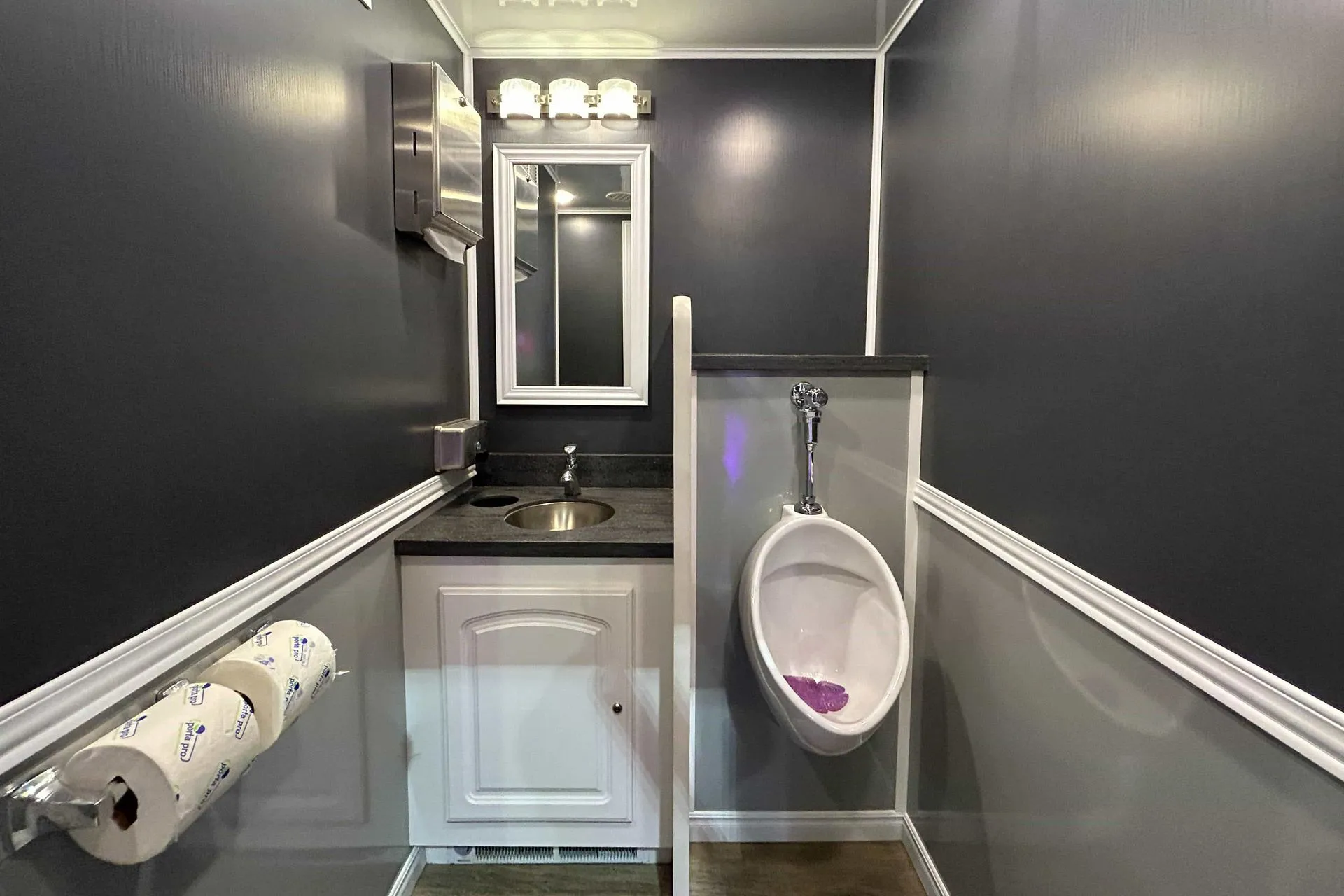
Restroom Trailer Rentals in Port Orange, Florida
Call today for a free quote (239) 422-8897
Restroom Trailer
Fast, Easy, & 100% Free To Get Started
50 Years of Excellence
For more than 50 years, our woman-founded company has been an integral part of the Port Orange community. We provide unmatched restroom solutions, showcasing our commitment to quality.
Commitment to Quality
Our restroom trailers are renowned for their reliability, cleanliness, and luxury features, ensuring exceptional service that meets the highest standards in Port Orange.
Prompt Service Guaranteed
We pride ourselves on quick delivery of our restroom trailers, ensuring your needs are met efficiently and on time, enhancing the experience at any event or site.
Premium Restroom Trailers in Port Orange
Call for a Free Quote Today
(239) 422-8897
As a locally owned and operated business, we stand as the trusted provider for Restroom Trailer rentals in Port Orange and surrounding areas. We offer reliable services for a range of events, from construction sites to weddings, parties, and festivals. Clients value our dependability, high-quality units, and dedication to customer satisfaction. Leveraging our extensive community experience, we support every event with courteous and professional service.
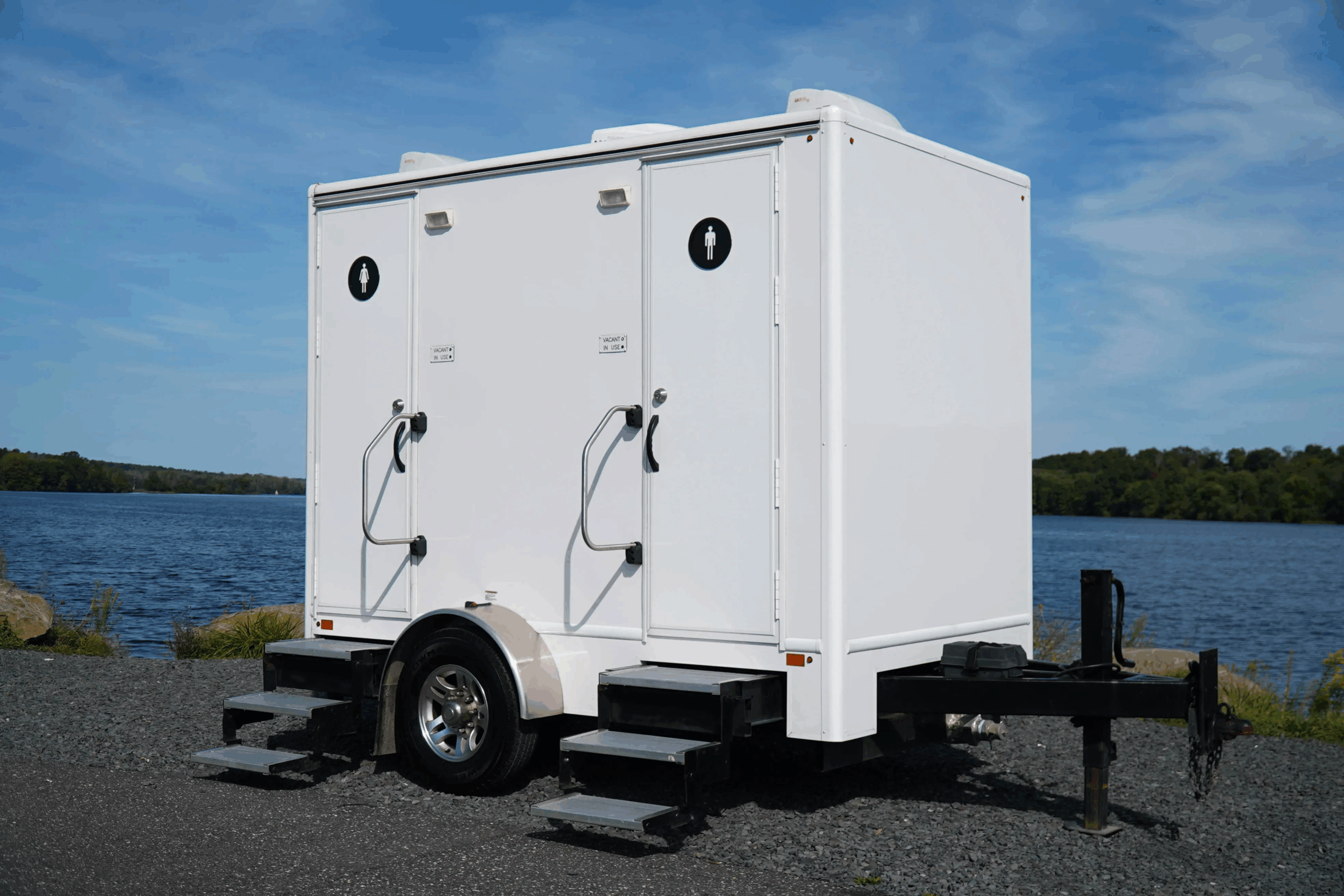
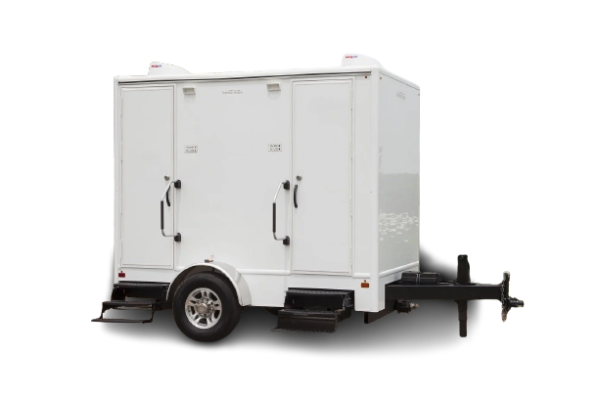
A compact, stylish solution featuring separate entrances for men and women.Each private suite includes flushing toilets, sinks with running water, interior lighting, and climate control for comfort at any event or worksite. (We offer variants 2–10 stalls.)
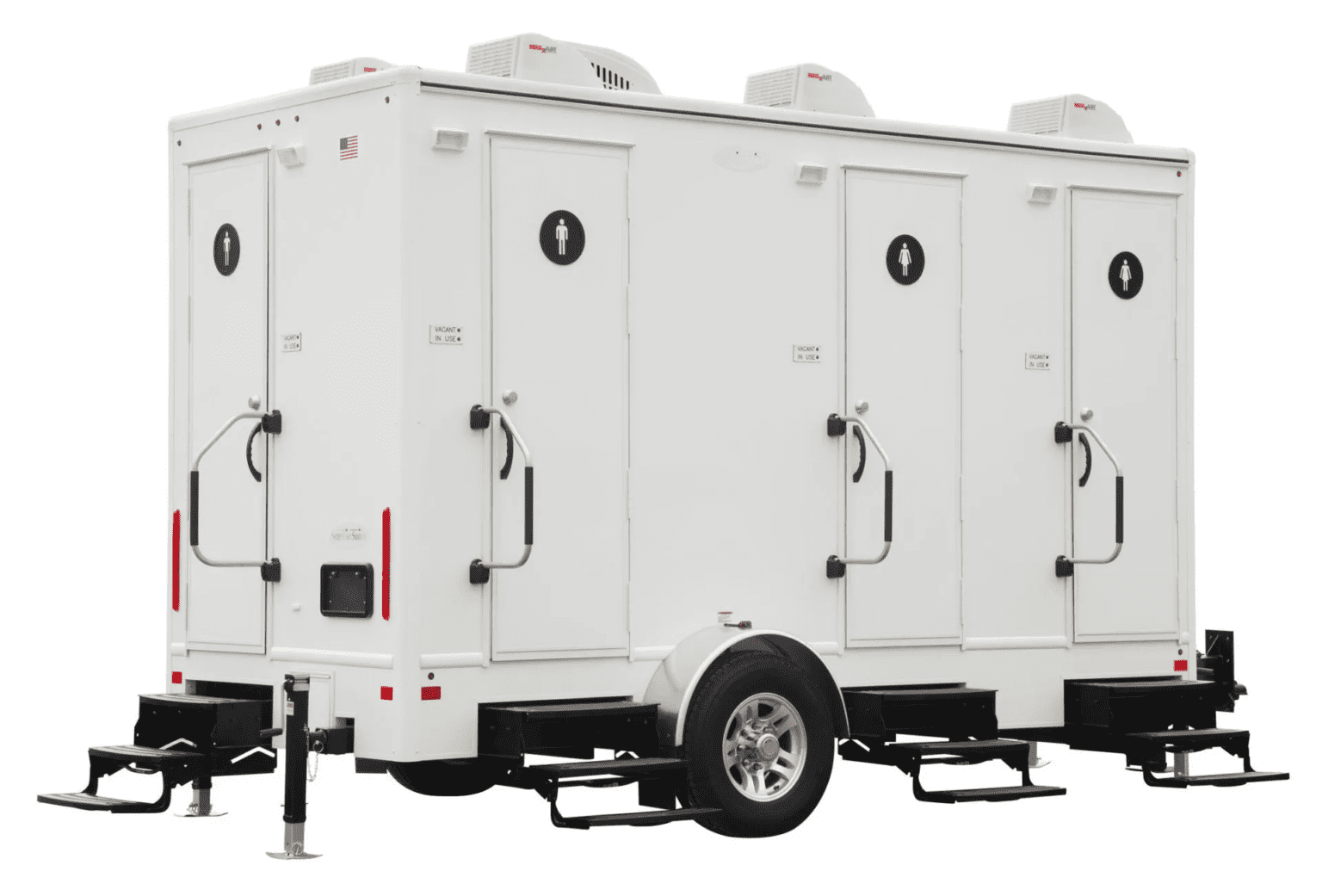
Designed for higher guest capacity, this unit offers four private, individual restrooms with flushing toilets, sinks with running water, interior lighting, and climate control. Ideal for weddings, festivals, and busy job sites.(We offer variants 2–10 stalls.)
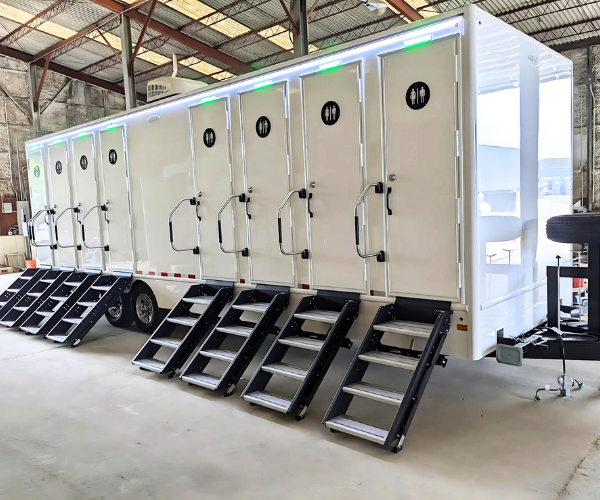
Perfect for large events and high-traffic sites, this spacious trailer provides eight private stalls, each with a flushing toilet, sink with running water, interior lighting, and climate control. A reliable, upscale solution for maximum convenience and comfort.(We offer variants 2–10 stalls.)
We Proudly Serve
Standard Portable Toilets
Our standard portable toilets in Florida ensure basic, clean amenities with efficient service in any location.
High Rise Portable Toilets
High Rise Portable Toilets in Port Orange offer the ideal sanitation solution for construction sites with elevated access.
Restroom Trailers
Our Port Orange restroom trailers provide luxury and convenience for all occasions, ensuring guest satisfaction.
Roll off Dumpsters
Roll off dumpsters in Port Orange with Prestigious Restrooms offer dependable waste management for diverse projects.
Septic Tank Cleaning
Septic tank cleaning with Prestigious Restrooms in Florida ensures cleanliness and efficiency with professional services.
Grease Trap Cleaning
Our Port Orange grease trap cleaning service in Florida keeps facilities running smoothly with maintenance you can trust.
Fencing & Barricades
Prestigious Restrooms offers reliable fencing and barricades in Florida, ensuring site security and organization.
Residential Storage
Secure and accessible, our residential storage in Port Orange offers optimal solutions for safeguarding belongings.
Port Orange Restroom Trailers and More
Getting a quote and securing a delivery for our Restroom Trailers is straightforward and designed with customer convenience in mind. From the initial inquiry, our friendly and professional team is ready to assist, offering clear guidance and support throughout the rental process. Our website features a simple quote request form, allowing you to fill in details with ease. This is complemented by 'Get A Quote' buttons strategically placed throughout our site for instant access to our services. Once you've provided your contact information—first and last name, phone number, and email—we quickly process your request, ensuring a prompt response. Our delivery service is equally efficient, prioritizing timely and reliable transport to your specified location. Whether you're arranging a grand wedding or managing a bustling construction site, our team is dedicated to making the rental process as seamless as possible, allowing you to focus on what matters most.

Experience the elegance and convenience of our Restroom Trailers in Port OrangePerfectly situated near scenic attractions and vibrant events, our Restroom Trailers add a touch of luxury and practicality to every gathering. From the lively Port Orange Family Days to the tranquil Spruce Creek Park, our services elevate the guest experience with impeccable cleanliness and dependability.Effortless solutions in Port OrangeWe recognize the distinct character and needs of Port Orange residents. Our trailers effortlessly blend with the area's outdoor lifestyle, offering comfort and convenience at parks, venues, and community events. Each unit boasts modern amenities, combining functionality with the local charm.Our company remains committed to providing a service that meets community expectations. Our Restroom Trailers consistently emerge as the top choice, valued for their reliability and elegance, vital to the success of any event.
Your number one choice in Port OrangeOur excellent reputation in Port Orange stems from a steadfast dedication to service and community connections. We provide Restroom Trailers tailored to various events, from intimate gatherings to expansive festivals, ensuring each event is seamlessly accommodated.Why we stand outOur local expertise and experience enable us to customize our services to the specific needs of Port Orange. Our trailers feature pristine interiors and sturdy, weather-resistant exteriors, offering a reliable service our clients trust.Your satisfaction is our priority, and we aim to provide the ideal mix of quality, reliability, and elegance for any occasion.
Fast and reliable Restroom Trailer servicesIn Port Orange, speed and reliability ensure the success of any event, and we excel at both. Our streamlined service guarantees Restroom Trailer availability precisely when and where you need it, from bustling fairs to essential construction sites.Delivered promptly, our trailers are installed with precision and maintained to the highest standards. We are dedicated to providing a seamless service that keeps pace with your dynamic event. By choosing us, you secure peace of mind and a trusted partner for all your Restroom Trailer needs.
Explore Our Restroom Trailer Options in Port Orange
Renting a restroom trailer in Port Orange is a straightforward process designed for your convenience. Our website makes it incredibly easy to make inquiries and reservations. You simply need to visit the designated page, where you'll find forms prominently located at the top and bottom for ease of access. Alternatively, our 'Get A Quote' buttons sprinkled throughout the site make it just a click away to reach our services. These intuitive online forms are succinct and request only essential information: your first and last name, a preferred contact phone number, and an email for correspondence. Once submitted, our team promptly reviews and responds to your request, ensuring a smooth transition from inquiry to reservation. This user-friendly digital process minimizes wait times and enhances efficiency, allowing for a speedy and responsive experience from the comfort of your device.Beyond the web form, our dedicated customer service team is available to handle any questions or additional requirements you might have, ensuring a personal touch to what could otherwise be a generic transaction. We understand that every event or construction project comes with its own set of challenges and needs, and we pride ourselves in offering tailored solutions, accommodating special requests or bespoke booking arrangements.If you prefer, you can also contact us directly by phone to discuss your specific requirements and have a friendly consultation with one of our experts, who can guide you through available options, ensuring you find the perfect match for your specific occasion. This flexibility, combined with our local expertise, positions us as the best choice for restroom trailer rentals in Port Orange. Ultimately, whether it's a grand event or a modest gathering, our streamlined rental process is just one of the many reasons clients come back to us time and again.
Delivery timeframes for our Restroom Trailers are designed to accommodate clients' needs efficiently. Typically, once you've submitted your details through our website's 'Get A Quote' system or after a direct conversation with our customer service team, the response is prompt. Our aim is to initiate the logistics process within 24 hours of your confirmed reservation, ensuring that your Restroom Trailer is en route swiftly. Understanding the urgency that often accompanies event planning and construction projects, we strive to maintain an agile schedule, working around your timelines to provide seamless delivery, usually within a matter of days. We understand that time is often of the essence, and delays can be costly or inconvenient, so promptness is a commitment we don't take lightly.Our customer-centric approach not only means attentiveness to your scheduling needs, but also transparency in every step. Any potential for delay is flagged immediately with an honest discussion on how best to adapt the plan, ensuring you're never left uninformed. For shorter notice requirements or last-minute rentals, our flexible team is equipped to handle urgent requests with the same dedication and efficiency, providing solutions on an expedited basis where possible. This includes meticulous coordination from our operations team, ensuring optimal routing for delivery vehicles to avoid any unnecessary hindrances.Upon delivery, our staff is adept at quick and efficient installation, ensuring the trailer is fully operational, and meets the highest standards of cleanliness and functionality before sign-off. Fast, reliable delivery has been a cornerstone of our service philosophy, enabling us to build and sustain trust with our valued clients across Port Orange and beyond. Whether you're planning an elaborate wedding or managing a high-priority construction project, you can rely on our team's timeliness and professionalism to meet and exceed your expectations.
Yes, indeed, we are well-equipped to service any event or construction service in a manner that meets diverse needs and expectations. Our offerings are versatile, including luxury restroom trailers for formal events such as weddings, making us a popular choice for planners prioritizing guest comfort and elegance. Likewise, our services extend to include portable toilets and affordable solutions for hosting festivals and large-scale events where crowd management is crucial. We cater to spontaneous gatherings like family reunions as well as corporate events requiring impeccable sanitation facilities.For construction services, we boast robust and practical solutions with our restroom trailers, complemented by additional options like roll-off dumpsters for waste management, fencing, and barricades for site security, holding tanks, ADA units for accessibility, and portable sink and sanitizer stations pivotal for maintaining hygiene standards on-site. Our extensive lineup ensures that we can accommodate any type of special request or unexpected requirement with ease.Our distinct advantage lies in our ability to provide not only standard solutions but also custom-tailored setups whenever necessary. With a well-rounded inventory and a team ready to adapt to varied circumstances, we make the process seamless and dependable. Our experienced staff is skilled in comprehending the nuances of each type of service, offering advice and consultation to identify the ideal setup for every occasion.From securing a festival's restrooms to ensuring a construction site's compliance with health codes, our comprehensive offerings solidify our position as the premier choice in Port Orange for any event or project. We seek to elevate the standard of event sanitation while fostering a sense of peace among our clients, knowing that they have partnered with a committed and capable provider. Let us enhance your event with our superior products and unparalleled service, reinforcing sanitation benchmarks within the industry.